6 hr 30 min
Whitehaven Beach & Hill Inlet Snorkeling Adventure
- Expert local guide
- Small group
- Skip-the-line access
- Free cancellation
Hill Inlet Tour — Tongue Point Lookout & Whitehaven Landings
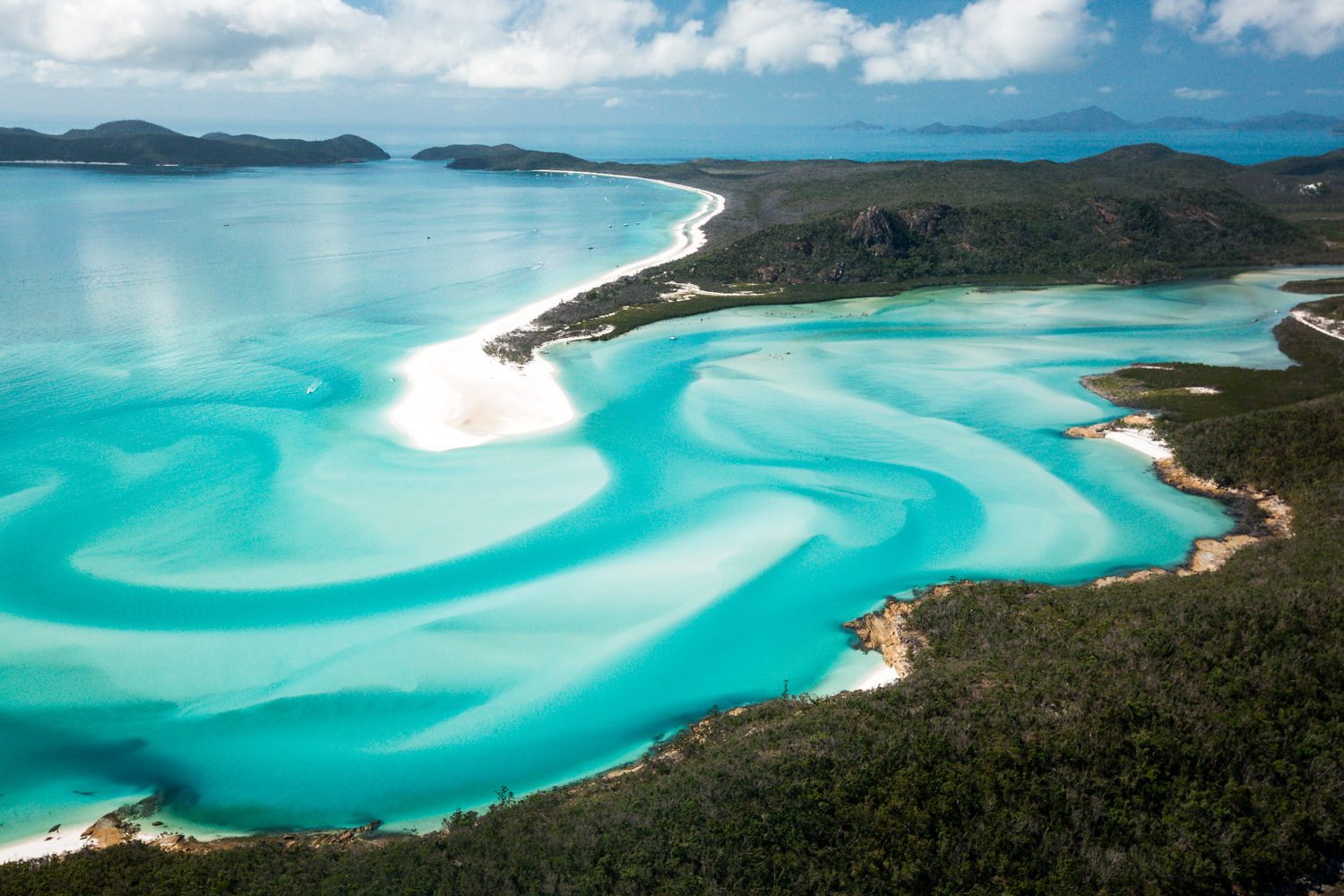
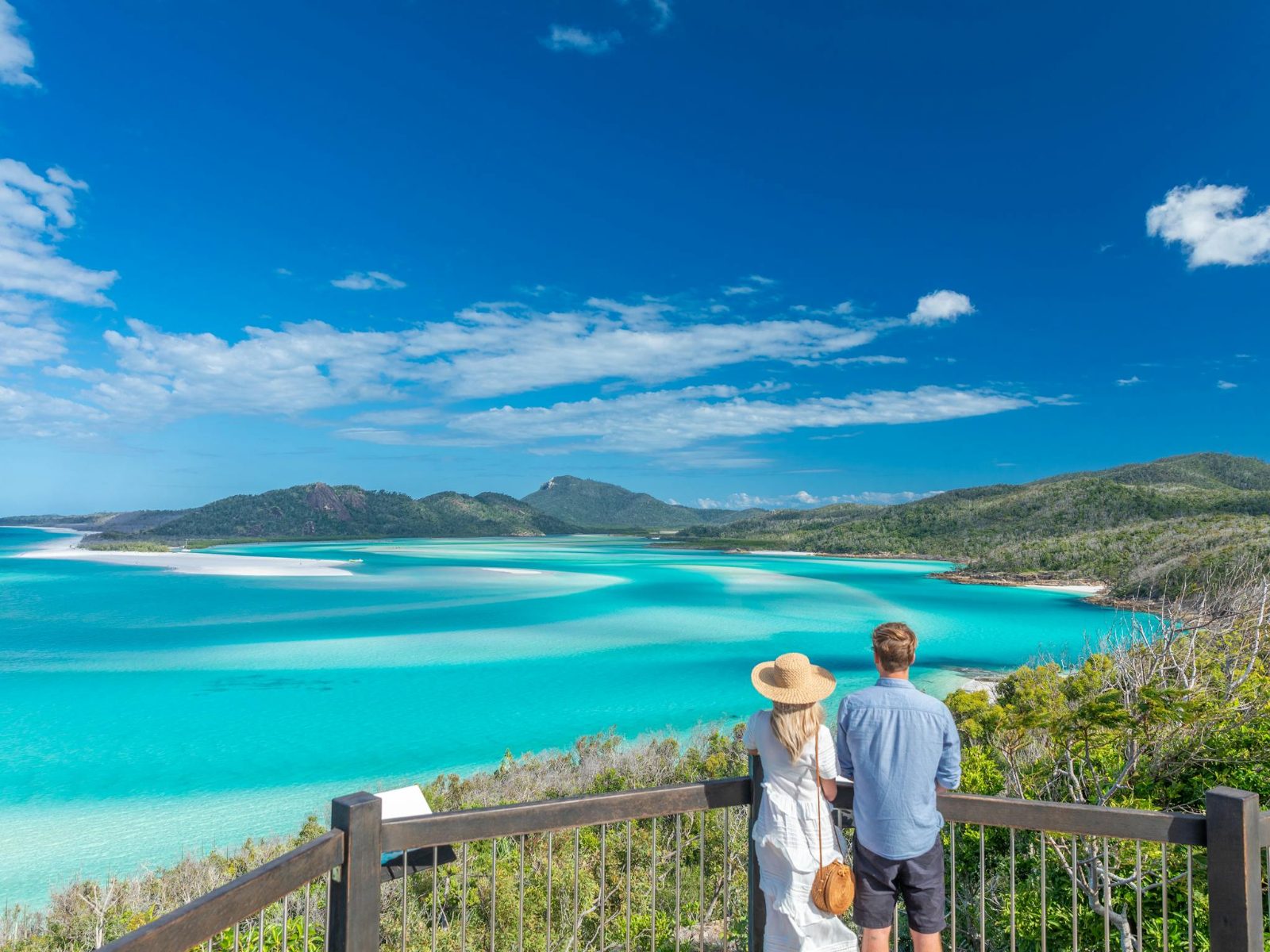
Silica sand folds into turquoise, the tide redraws it hourly.
Compare fares, pick the fit — all bookings are mobile-voucher and eligible for free cancellation where shown.
6 hr 30 min
8 hr
8 hr
| Experience | Duration | Rating | Lunch | Skip-the-line | Guide | Small group | Price | |
|---|---|---|---|---|---|---|---|---|
|
Guided Experience
Most popular
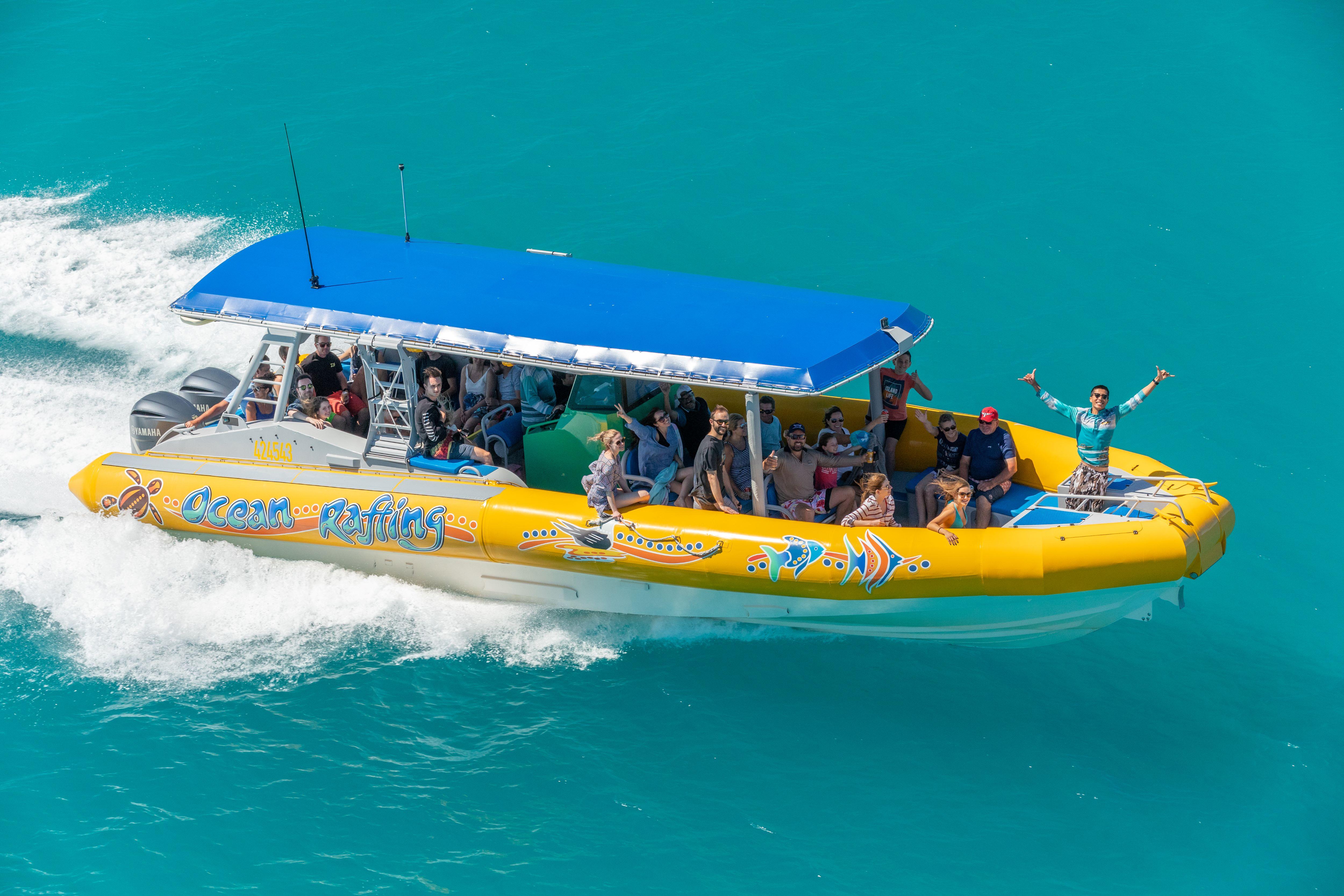
Whitehaven Beach & Hill Inlet Snorkeling Adventure
|
6 hr 30 min | ★ 4.8 | ✓ | ✓ | ✓ | ✓ | €152 | Book → |
|
Guided Experience
Whitehaven Beach Full-Day Eco-Cruise with Snorkeling
|
8 hr | ★ 4.8 | ✓ | ✓ | ✓ | ✓ | €153 | Book → |
|
Guided Experience
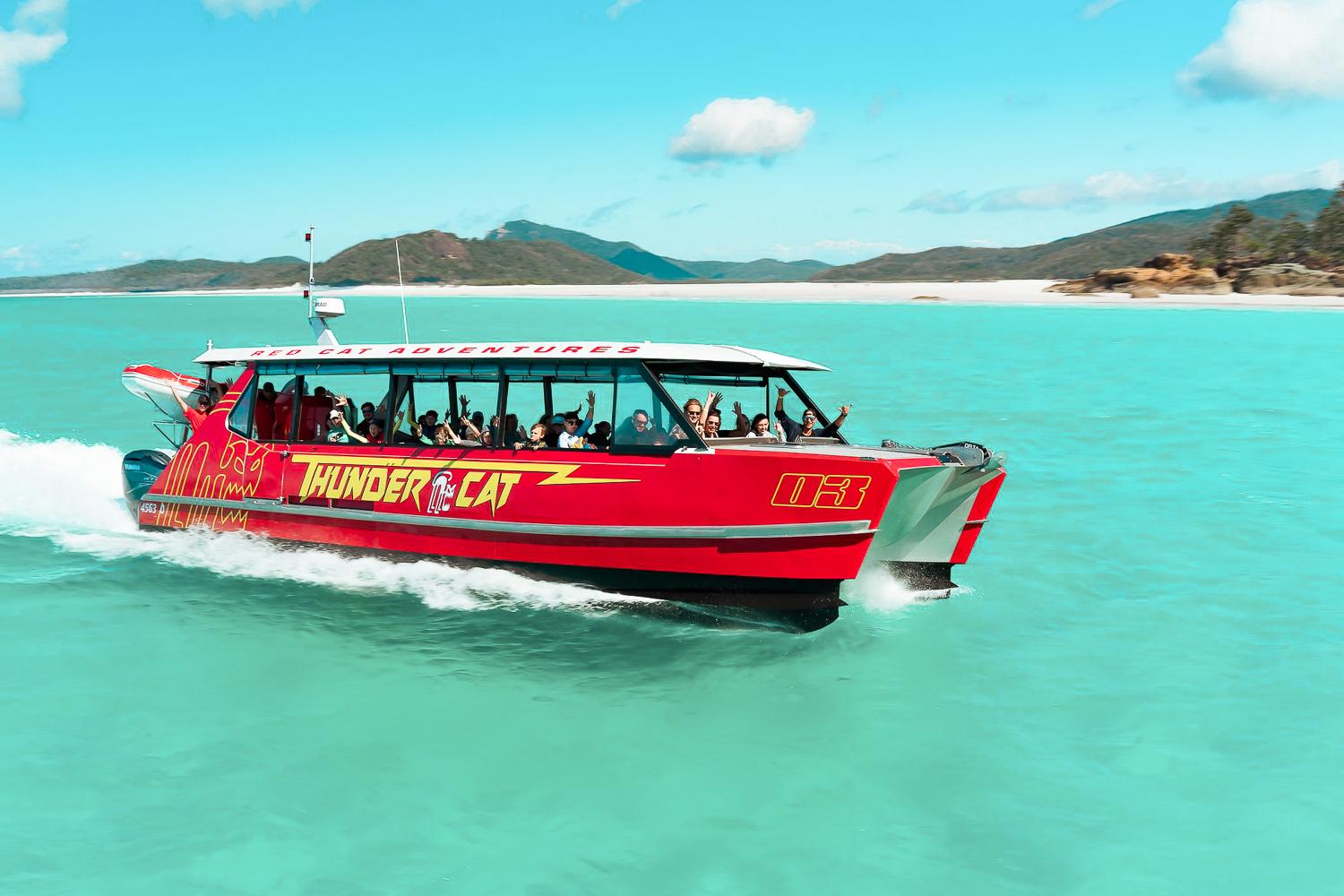
Whitehaven Beach & Hill Inlet Full-Day Catamaran Tour
|
8 hr | ★ 4.8 | ✓ | ✓ | ✓ | ✓ | €146 | Book → |
They complement each other; most visitors who do both call the Whitsunday Islands National Park landmark the more authentic natural encounter, while the resort offers a structured environment for those preferring leisure. Selecting your preferred hill inlet tour depends on whether you seek raw coastal exploration or comprehensive facility access.
|
Top pick Hill Inlet Tour |
Hamilton Island Resort Day | |
|---|---|---|
| Experience Type | Guided wilderness excursion | Static leisure resort day |
| Primary Activity | Beach and sandbar viewing | Swimming and dining |
| Required Travel | Boat transport to island | Ferry or flight to island |
| Cost | 0 AUD (park entry only) | Varies by service provider |
| Physical Intensity | Moderate (walking/tide wading) | Low (amenity focused) |
| Best For | Nature enthusiasts and photographers | Families seeking comfort and convenience |
| See tickets & prices |
Verdict: Choose the hill inlet tour tours if you prioritize wild landscapes and tidal phenomena, or reserve hill inlet tour tickets for the resort if you prefer a predictable itinerary supported by full-service hill inlet tour tour amenities.
Hand-picked experiences loved by thousands of travelers
70 minutes
Free Cancellation
Soar above turquoise waters, pristine beaches, and coral wonderlands on this scenic flight adventure
10 hours
Free Cancellation
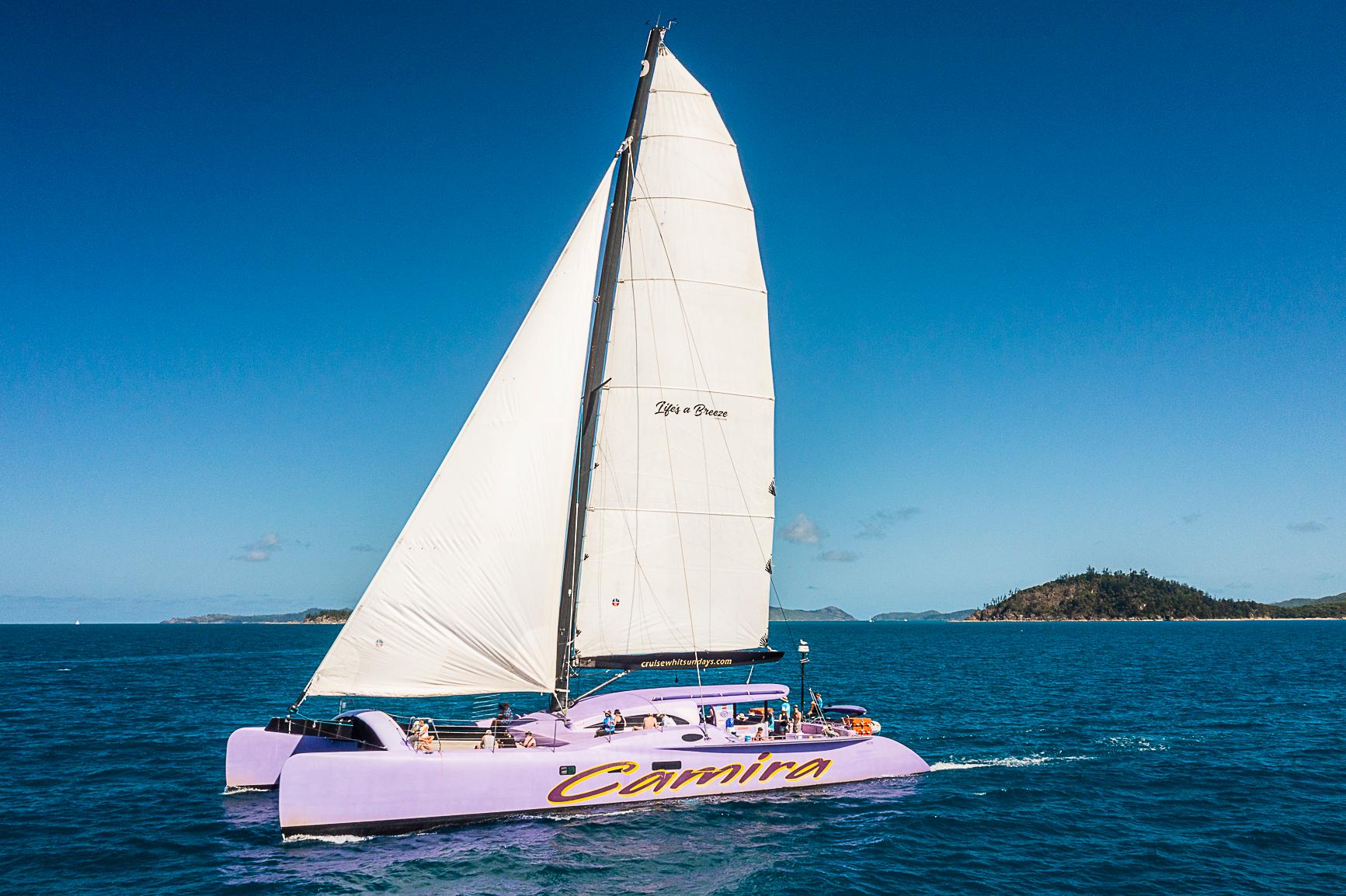
Sail aboard a high-speed catamaran to pristine Whitehaven Beach with snorkeling, bushwalking, and onboard dining
7 hours
Free Cancellation
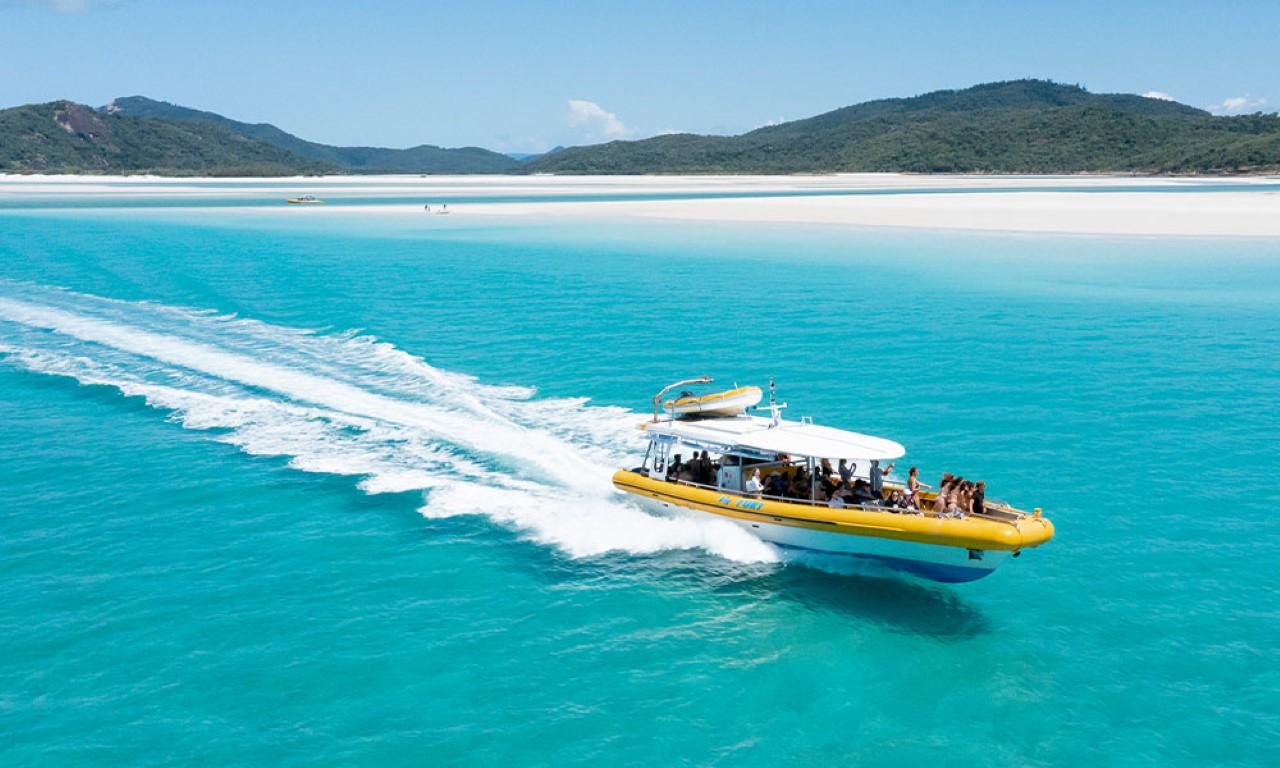
Speed across turquoise waters to one of Australia's most stunning beaches with morning or afternoon departures
7 hours
Free Cancellation
Speedboat adventure combining pristine beach relaxation, reef snorkeling, and panoramic lookout views
1 hour
Free Cancellation
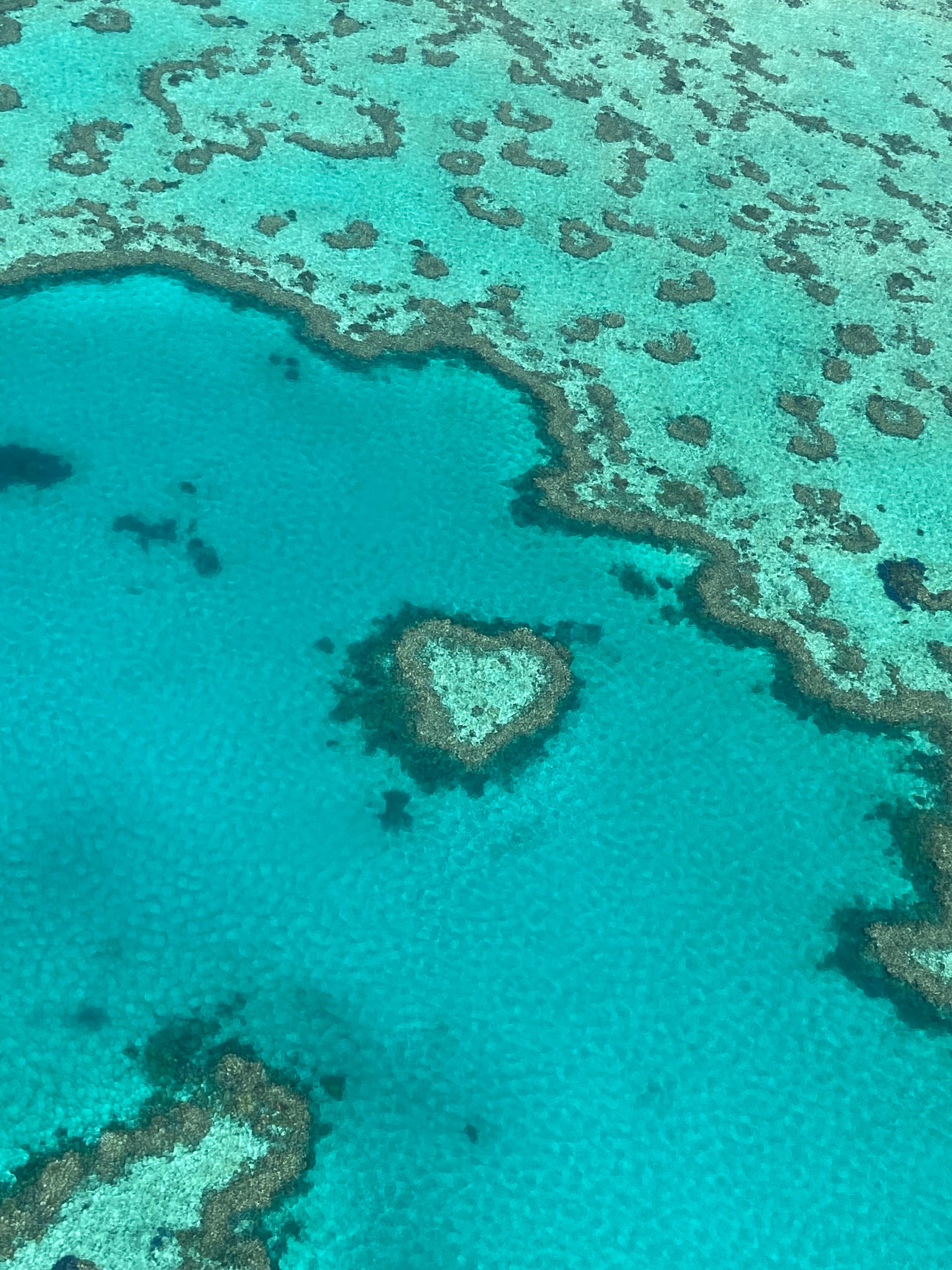
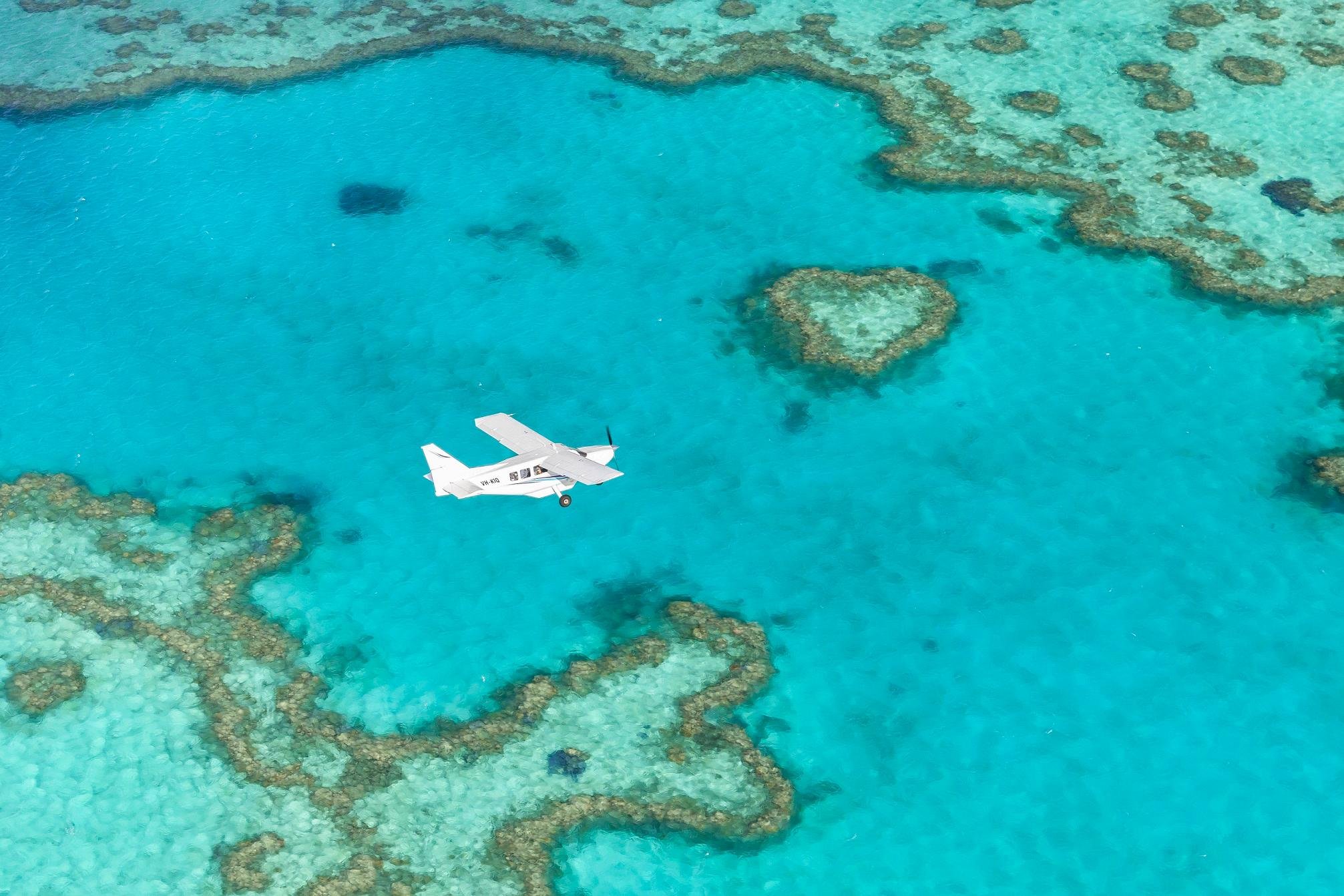
Soar above turquoise waters on a one-hour aerial adventure showcasing the Whitsundays and iconic Heart Reef
10 hours
Free Cancellation
Exclusive full-day yacht voyage to Whitehaven Beach with gourmet meals and sparkling wine aboard Lady Enid
8 hours
Free Cancellation
High-speed journey combining reef snorkeling, pristine beach relaxation, and scenic lookout hiking
3 days
Free Cancellation
Sleep under the stars, snorkel vibrant reefs, and explore iconic Whitehaven Beach on this island-hopping voyage
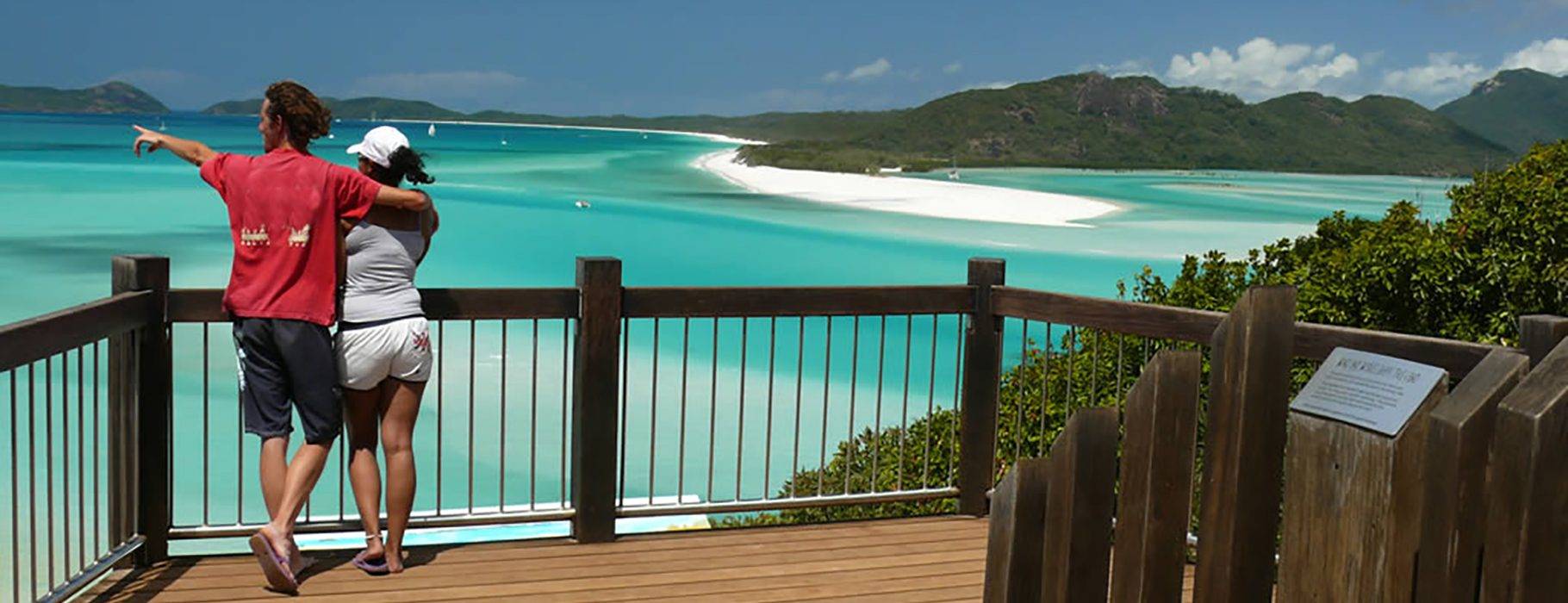
Three platforms offering 180-degree vistas of shifting turquoise channels and white silica sand ribbons.
A secluded cove located at the northern side of the inlet, popular for swimming at low tide.
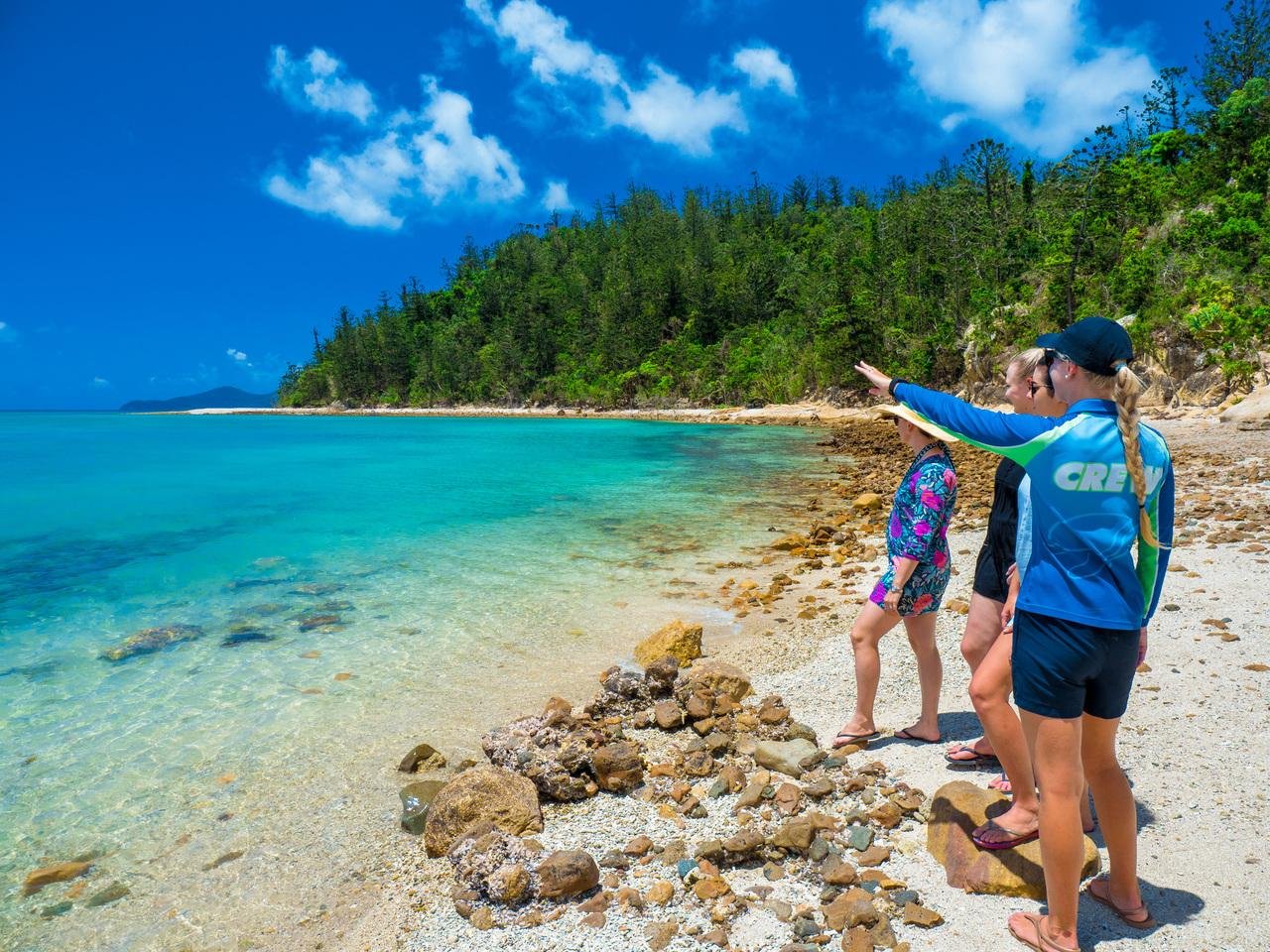
A historic walking route that highlights the deep cultural connection of the Ngaro people to the islands.
The primary anchorage site for vessels providing access to the lookout and beach area.
A 7km stretch of 98% pure silica sand that remains cool underfoot even in tropical heat.
All the details about your upcoming adventure in one place
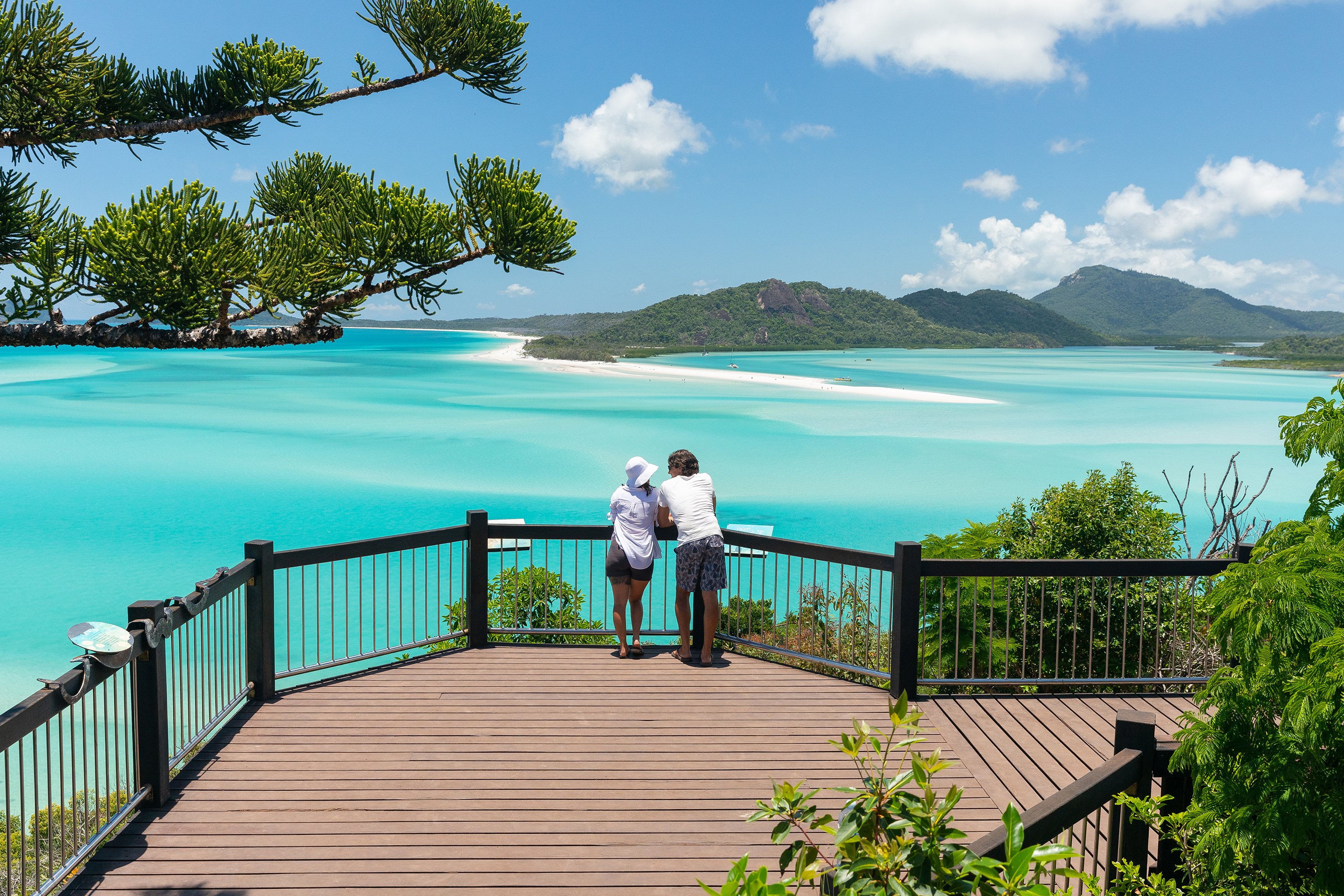
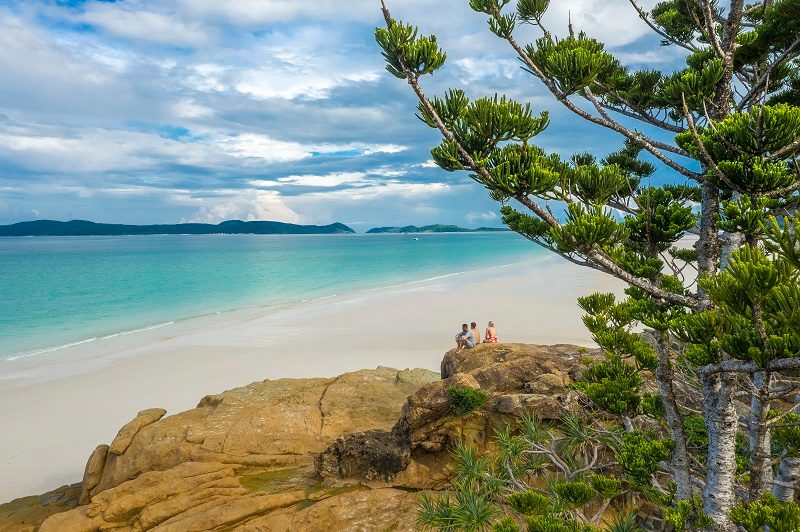
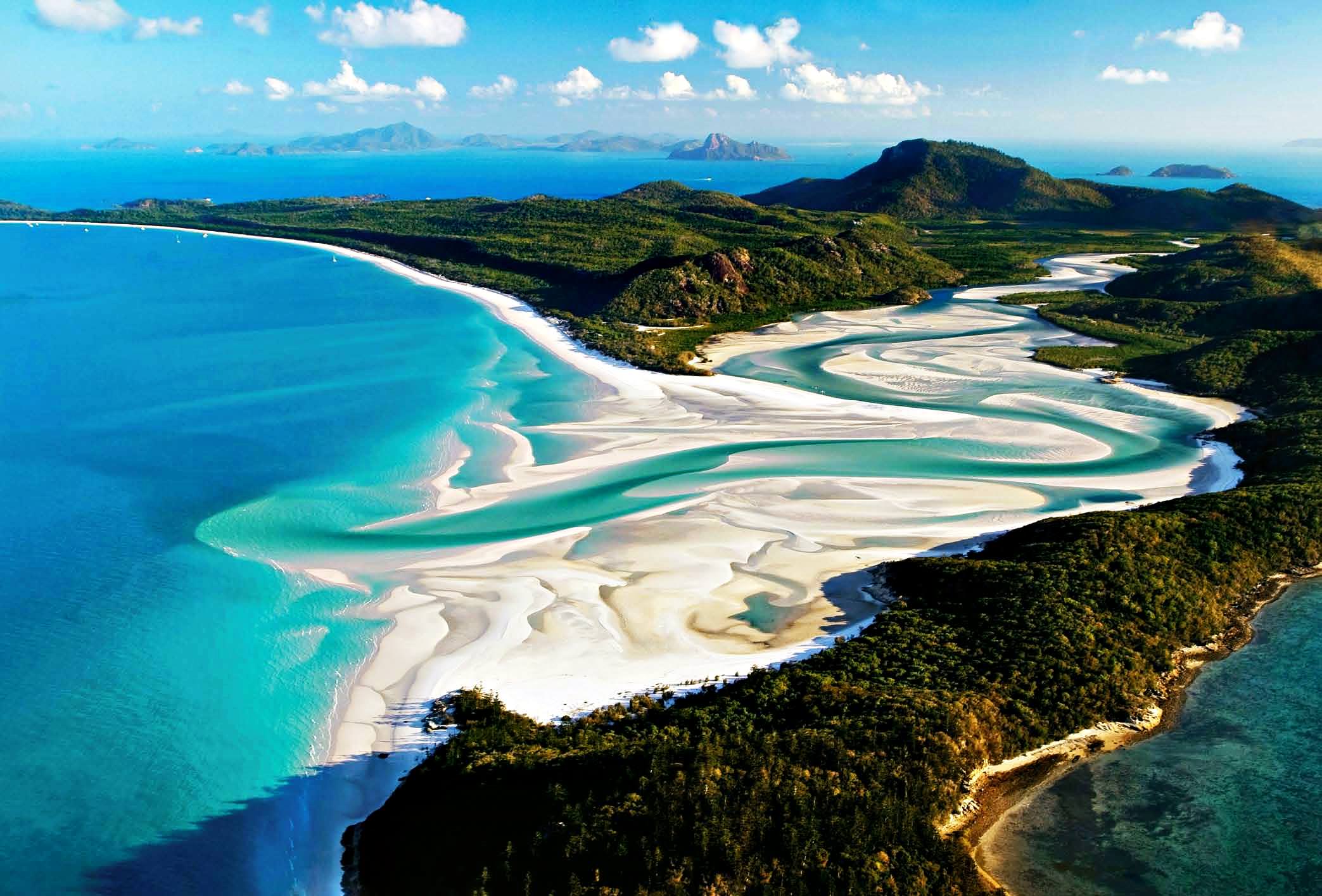
Set at the northern end of Whitehaven Beach on Whitsunday Island, a hill inlet tour swaps the long main sand strip for the tidal channel where white silica sand folds into turquoise shallows. Vessels anchor off Tongue Bay and guests follow the short Ngaro Sea Trail path up to the Tongue Point lookout, the vantage point over the swirling sandbanks that make Whitsundays landmarks so recognisable. Hill Inlet tour tickets are usually sold as part of a wider Whitehaven Beach and Hill Inlet cruise, departing by catamaran, rigid inflatable or seaplane from Airlie Beach and Hamilton Island.
The sand at Whitehaven Beach is 98 percent pure silica — fine enough that it squeaks underfoot and stays cool at midday while the surrounding granite bakes. That composition is the whole reason a hill inlet tour exists.
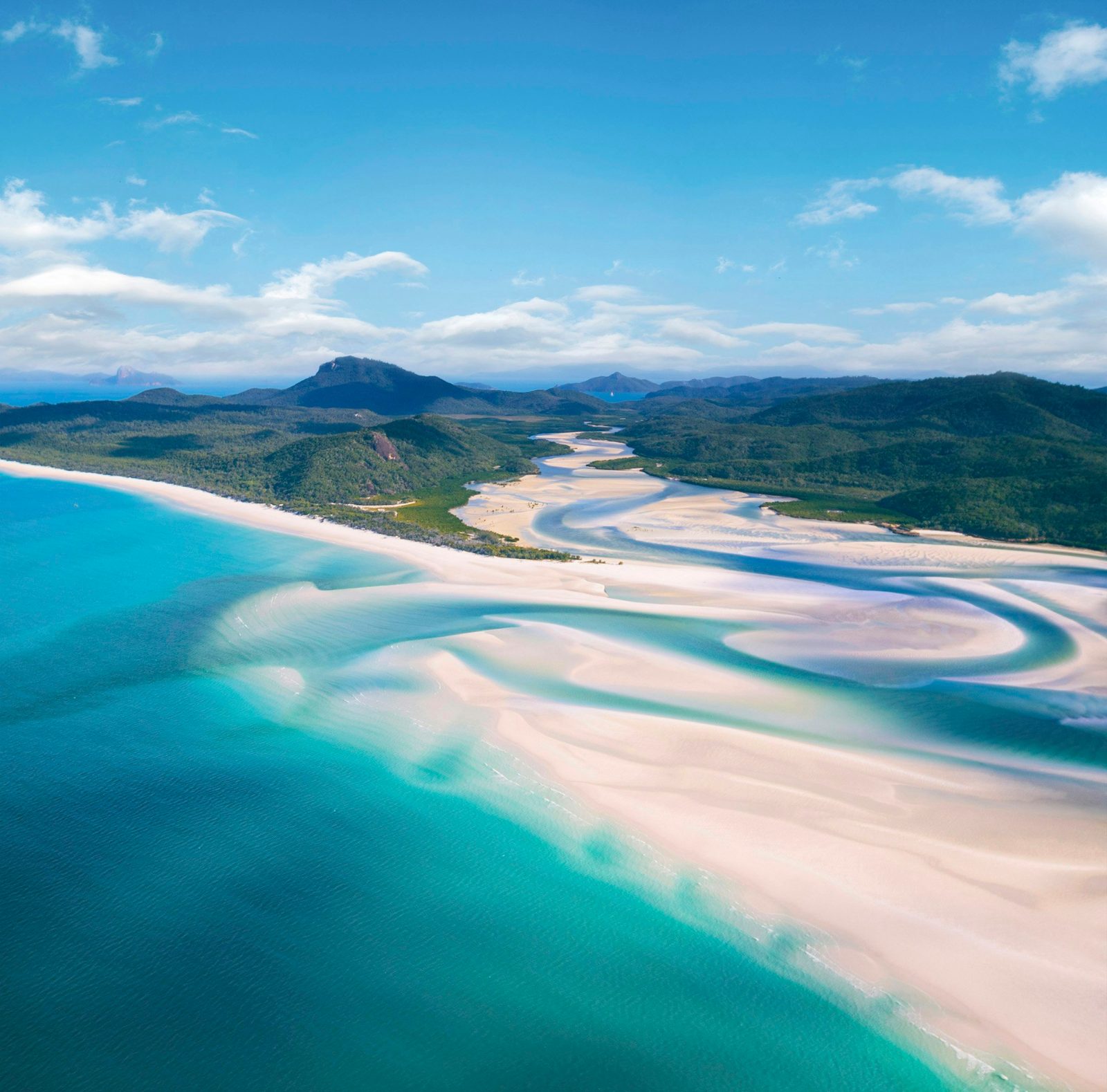
Silica is chemically inert and near-white, so when tidal currents lift it into suspension at the northern end of the beach, the grains scatter light rather than muddying the water. The result is the swirling cream-and-turquoise braiding visible from the Tongue Point lookout, a pattern that never repeats itself twice.
Geologists trace the sand to quartz-rich sources carried by ocean currents over millennia, not to the weathering of the local Whitsunday volcanic rock. The Ngaro people, whose maritime culture in this archipelago spans at least 8,000 years, moved through these waters in bark canoes long before European charting. The islands became part of Whitsunday Islands National Park, administered today by Queensland Parks and Wildlife Service at parks.des.qld.gov.au/parks/whitsunday-islands, with entry to the park free at 0 AUD.
What gives the site its standing among Australian coastal landmarks is not scale but instability. Hill Inlet is an estuarine channel, and the sandbanks that define it migrate with each tidal cycle. A photograph taken in February and one taken in August will not show the same shoreline. This is why operators running a hill inlet lookout tour from Airlie Beach, a hill inlet tour from Hamilton Island, or the shorter hill inlet tour Whitsundays circuits all schedule around water levels rather than clock times — the canonical guidance for the site is that low tide provides the best visibility for the characteristic swirling sand patterns.
Access is deliberately minimal. There is no road, no jetty, no visitor centre. Arrivals come by vessel or seaplane to Tongue Point, Whitsunday Island, Queensland 4802, and the built infrastructure amounts to a boardwalk, a set of timber steps through eucalypt and hoop pine scrub, and three viewing platforms cut into the ridge. The highest looks north across the inlet mouth; the lower two frame the beach itself.
That restraint is the point. Fringing coral, sea turtles and rays occupy the shallows below, and the absence of permanent structures keeps the sightline unbroken from ridge to reef. A hill inlet tour therefore sells access rather than amenity — a boardwalk, a tide table, and a view that has been arranging and rearranging itself since long before anyone thought to name it.

A photograph taken in February and one taken in August will not show the same shoreline.
Varies by operator; check specific terms for your hill inlet tour booking. Entrance is 0 AUD.
Weather · crowds · average price — dots go green to amber to red as each metric rises.
Mild temperatures ideal for hiking.
Warm waters for swimming; monitor for stingers.
Lower humidity for comfortable hill inlet tour hiking.
Cooler days and excellent visibility for photography.
Target low tide to witness the best swirling sand patterns at your hill inlet tour.
Wear enclosed shoes for the walk to the lookout platforms.
Bring at least 2 liters of water as no fresh water is available.
Wear a stinger suit during summer to protect against jellyfish.
Bring a wide-angle lens to capture the full scope of the inlet.
Apply sunscreen liberally; shade is limited on the walking track.
The sand at Hill Inlet is silica, and it did not arrive by river. Geologists attribute it to marine currents grinding quartz over millennia, which is why it stays cool underfoot. Long before any hill inlet tour existed, the Ngaro people navigated these waters. Archaeological work at Nara Inlet on Hook Island, excavated by Bryce Barker in the 1990s, returned radiocarbon dates of roughly 9,000 years before present. The Ngaro were a saltwater people. They built three-piece bark canoes and hunted turtle and dugong across the Whitsunday Passage. James Cook passed through on 3 June 1770 and named the passage for the day. He did not land at Whitsunday Island. Later contact was less neutral. Nineteenth-century pastoral expansion, bĂȘche-de-mer fishing and the Native Police dispersed Ngaro communities from their islands, though descendants maintain connection today and hold recognised cultural authority over the region. Rock art in the Nara Inlet shelters, in the distinctive Whitsunday style, survives as physical record. Protection came late. Whitsunday Island was gazetted within the Whitsunday Islands National Park in 1936, and the Great Barrier Reef Marine Park Authority extended oversight from 1975. Cyclone Debbie, in March 2017, stripped vegetation from Tongue Point and reshaped the sandbars visible from the lookout; the swirl re-formed within seasons. Boardwalks damaged in that storm were rebuilt by Queensland Parks and Wildlife. Entry remains free at 0 AUD, an unusual arrangement among Australian landmarks of this profile. What survives is a managed wilderness rather than a monument. Operators running hill inlet tour tours work under permits that cap vessel numbers and landing sites. Visitors arriving on a hill inlet tour tour, or buying hill inlet tour tickets from Airlie Beach, walk the same headland the Ngaro used as a vantage point. The lookout at Tongue Point holds no built structure beyond timber, by design.
Radiocarbon dates from Nara Inlet shelters place Ngaro occupation of the Whitsundays at roughly nine millennia.
Ngaro communities built three-piece bark canoes and harvested turtle and dugong across the Whitsunday Passage.
James Cook sailed the passage on 3 June and named it Whitsunday, without landing on the island.
Pastoral expansion, bĂȘche-de-mer fishing and Native Police activity displaced Ngaro people from the islands.
Whitsunday Island was gazetted as part of the Whitsunday Islands National Park under Queensland administration.
The Great Barrier Reef Marine Park Authority was established, extending federal protection to the surrounding waters.
Cyclone Debbie crossed the Whitsundays in March, stripping Tongue Point vegetation and reshaping the inlet sandbars.
The park remains free to enter and is managed by Queensland Parks and Wildlife under permit-capped visitor access.
From this primary elevated platform, capture the iconic vista of swirling silica sands and turquoise currents. Position your lens toward the shifting channels during a hill inlet tour to maximize the contrast of the colors.
Descend the path to this secluded stretch of coastline for a unique vantage point looking back toward the forested slopes. It provides a more intimate perspective compared to high-altitude hill inlet tour tours.
Follow the track from the main path to reach this vantage point which offers an expansive view of the surrounding Whitsunday Islands. This spot is popular for visitors seeking hill inlet tour tickets and a panoramic perspective of the inlet entrance.
Everything you need to know for your journey
Aim for low tide during your hill inlet tour to see the best swirling sand patterns.
The walk to the lookout involves stairs and is not wheelchair accessible for a hill inlet tour.
No food is sold on-site, so pack enough for your full hill inlet tour.
The walk is approximately 1.3km return for a standard hill inlet tour experience.
Bring sun protection, water, and comfortable shoes for any hill inlet tour.
Yes, booking a hill inlet tour is essential for boat transport.
Most children enjoy the hill inlet tour, provided they can manage the 45-minute bushwalk.
Iconic white silica beach.
Quiet cove near the inlet.
Cultural hiking trail.
Protected anchorage area.
Multiple luxury/mid-range tiers
Budget to luxury hotels
Join thousands of happy travelers who have discovered this incredible experience
Book Your Experience Now